
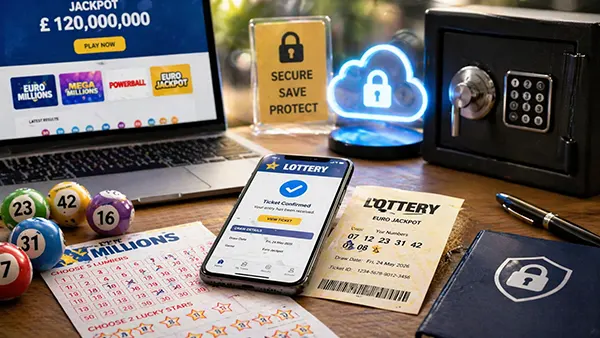
How to Safely Store Proof of Participation in Online Lotteries
Taking part in online lotteries has become routine for many players, yet one detail is often overlooked: keeping reliable proof of participation. Whether it is a ticket confirmation, email receipt or transaction ID, this data can be critical if questions arise about winnings or account activity. In 2026, with stricter verification processes and increased digital fraud risks, storing this information correctly is not just a recommendation but a necessity.
Why Proof of Participation Matters More Than Ever
Online lottery systems rely heavily on digital records rather than physical tickets. When a player purchases a ticket, the confirmation is usually stored in their account or sent via email. However, access to these records is not always guaranteed, especially if an account is compromised, suspended or deleted. Keeping independent copies ensures that you retain control over your own data.
Another important factor is dispute resolution. In cases where winnings are delayed or denied, operators may request evidence of participation. Screenshots, transaction logs or saved emails can serve as supporting documentation. Without them, resolving such issues becomes significantly more complicated and time-consuming.
Regulatory changes across the UK and Europe have also introduced stricter identity and verification procedures. Players are increasingly required to provide proof of transactions and activity history. Having organised records helps avoid delays during verification checks and reduces the likelihood of rejected claims.
Common Mistakes Players Make When Storing Lottery Records
One of the most frequent mistakes is relying solely on the lottery website to store information. While most operators maintain internal records, users should not assume indefinite access. Accounts can be restricted due to inactivity, security checks or policy updates.
Another issue is storing proof in a single location, such as one email inbox. If access to that inbox is lost, all associated confirmations disappear as well. This creates unnecessary risk, particularly when dealing with high-value tickets or long-term draws.
Some players also overlook file organisation. Saving random screenshots without proper naming or categorisation makes it difficult to locate relevant proof later. In urgent situations, this lack of structure can lead to missed deadlines or incomplete submissions.
Best Methods to Store Lottery Participation Safely
The most reliable approach is to use multiple storage methods. Start by saving all confirmation emails in a dedicated folder within your inbox. Then create backups by downloading these messages as PDF files. This ensures you have offline access even if your email account becomes unavailable.
Cloud storage services such as Google Drive or Dropbox offer an additional layer of security. Upload copies of your lottery records and organise them by date or provider. Most services include encryption and two-factor authentication, which significantly reduces the risk of unauthorised access.
For maximum protection, consider keeping a local backup on your personal device or an external drive. This method is especially useful if you regularly participate in lotteries with larger prize pools. A combination of cloud and offline storage provides balanced protection against both technical failures and cyber threats.
How to Organise Your Lottery Records Efficiently
Creating a clear folder structure is essential. Separate files by year, lottery provider and type of draw. For example, weekly draws, special jackpots and subscription entries should each have their own category. This makes retrieval faster and reduces confusion.
File naming also plays a key role. Include the date, lottery name and ticket reference in each file name. A format such as “2026-03-15_EuroMillions_Ticket12345” ensures consistency and helps identify records instantly without opening each file.
It is equally important to review and update your records regularly. Delete duplicates, verify that files are accessible and ensure backups are up to date. This ongoing maintenance prevents data clutter and keeps your archive reliable over time.

Security Practices to Protect Your Lottery Data
Strong account security is the first line of defence. Use unique passwords for your lottery accounts and enable two-factor authentication wherever possible. This reduces the risk of unauthorised access to both your account and stored confirmations.
Be cautious when accessing lottery accounts on public or shared devices. Avoid downloading or saving sensitive files on computers that are not under your control. If necessary, use private browsing modes and ensure you log out after each session.
Phishing attacks remain a common threat in 2026. Fraudulent emails may imitate official lottery providers and attempt to collect personal data. Always verify the sender’s address and avoid clicking suspicious links. Genuine confirmations should match the format and domain of the official service.
What to Do If Your Proof of Participation Is Lost
If you lose access to your records, contact the lottery provider immediately. Most operators can retrieve transaction history using your account details, although this process may take time and require identity verification.
Check your bank or payment provider statements as well. These often include transaction references that can support your claim. While not a full replacement for ticket confirmation, they provide useful evidence of participation.
Finally, treat the incident as a signal to improve your storage system. Implement backups, strengthen account security and review your data management habits. Preventing future loss is always easier than recovering missing information.