
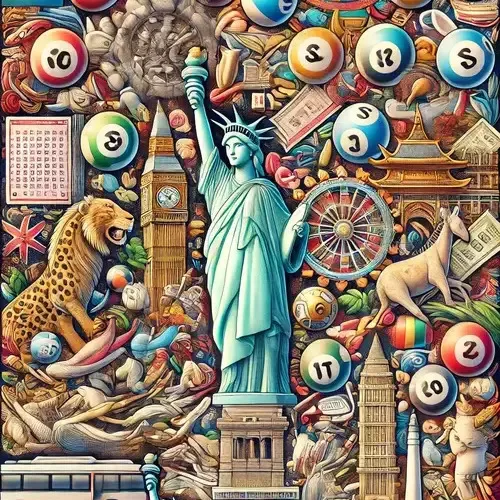
Lotteries Around the World: Unique Features and Rules
Lotteries are a universal form of gambling, offering excitement and the dream of instant wealth. Their appeal spans continents, each region adding unique twists to the traditional lottery format. This article explores the distinct characteristics and rules of lotteries across North America, Europe, Asia, Africa, and Australia.
Lotteries have been a part of human history for centuries, evolving from simple drawings to sophisticated systems that captivate millions worldwide. Despite their global presence, the structure, rules, and even cultural significance of lotteries can vary greatly. Understanding these differences not only enriches our knowledge but also highlights the fascinating diversity in how people play and win around the globe.
Lotteries in North America
North America is home to some of the most renowned lotteries, such as the Powerball and Mega Millions in the United States. These lotteries are known for their massive jackpots, often reaching hundreds of millions of dollars. The rules are straightforward: players choose a set of numbers and wait for a random draw to see if they match. In Canada, the Lotto 6/49 and Lotto Max are equally popular, with similar mechanics but slightly different prize structures. The Canadian lotteries often focus on community funding, with proceeds benefiting local projects and charities.
Lotteries in Europe
European lotteries combine long-standing traditions with carefully defined national and cross-border rules. In Spain, the Christmas Lottery (Sorteo Extraordinario de Navidad), whose first prize is commonly known as El Gordo, is held on 22 December. Players can buy a €20 décimo, representing one tenth of a full ticket, and prizes are distributed across several categories, including the main awards, smaller “pedrea” prizes and reimbursements. Because identical ticket numbers are issued across multiple series, the same winning number can produce prizes for many décimo holders rather than a single jackpot winner. In the UK, the National Lottery directs part of the money generated from ticket sales to Good Causes, supporting projects in areas such as arts, sport, heritage, health, education, charities and the environment. EuroMillions adds a cross-border format: players choose five numbers from 1 to 50 and two Lucky Stars from 1 to 12, with draws normally taking place on Tuesdays and Fridays. These differences show how European lotteries can share the same basic principle of random number selection while using distinct ticket structures, prize tiers, draw schedules and public-funding models.
Lotteries in Asia
Asian lotteries often reflect the cultural and social nuances of their countries. Japan’s Jumbo Draws are immensely popular, with the New Year’s draw being the most significant. These lotteries often include community-centric initiatives, and the winnings are distributed in a tiered system, ensuring more frequent, smaller prizes. In China, the welfare and sports lotteries are government-run and fund public welfare projects and sports activities. The unique dual focus of these lotteries demonstrates a blend of entertainment and social responsibility, characteristic of many Asian lottery systems.

Lotteries in Africa
African lotteries are rapidly growing in popularity, offering not just the thrill of winning but also contributing significantly to social development. South Africa’s National Lottery is the most prominent, with proceeds funding education, health, and infrastructural projects. The lottery format here typically involves selecting numbers from a set range, similar to Western systems. In other parts of Africa, such as Nigeria and Ghana, lotteries are also used as a means to stimulate economic activity and fund local development projects, ensuring that the games benefit broader society.
Lotteries in Australia
Australia has a well-established lottery system with popular games like Oz Lotto and Powerball. The Australian lotteries are notable for their transparency and regulation, ensuring fairness and trust among players. The rules usually involve selecting numbers from a specified range, with draws conducted weekly. Additionally, Australia’s lotteries contribute significantly to public welfare, funding a wide array of community initiatives. The structure of Australian lotteries often includes multiple prize divisions, enhancing the chances for players to win smaller, more frequent prizes.
Lotteries around the world offer a fascinating glimpse into the cultural and social fabric of different regions. From North America’s colossal jackpots to Asia’s community-focused draws, each lottery system is unique in its rules and impact. As these games continue to evolve, they remain a popular form of entertainment and a significant source of funding for public good, reflecting the universal appeal and enduring legacy of lotteries.